
Mastering Innovative Custom Prototyping Techniques
When it comes to turning ideas into reality, custom prototyping is the secret sauce that bridges the gap between concept and product. Whether you're an inventor, engineer, or business looking to develop precise parts or prototypes, mastering innovative custom prototyping techniques can save you time, money, and headaches. I’ve spent years diving into the world of prototyping, and I’m excited to share some practical insights and cutting-edge methods that can help you bring your ideas to life with confidence.
Exploring Custom Prototyping Techniques That Work
Custom prototyping techniques have evolved dramatically over the past decade. No longer are we limited to just one or two ways to create prototypes. Today, a blend of traditional craftsmanship and advanced technology offers a variety of options tailored to different needs.
Here are some of the most effective custom prototyping techniques you should know:
3D Printing (Additive Manufacturing): This is a game-changer for rapid prototyping. It allows you to build complex shapes layer by layer, using materials like plastics, resins, and even metals. The precision and speed make it ideal for testing form and function quickly.
CNC Machining: When you need prototypes with tight tolerances and durable materials, CNC machining is your go-to. It’s a subtractive process that carves parts out of solid blocks of material, perfect for functional testing.
Injection Molding: For prototypes that closely mimic production parts, injection molding is excellent. Though it requires upfront tooling costs, it’s great for small batch production and testing.
Vacuum Casting: This technique is useful for creating multiple copies of a prototype with high detail and surface finish, often used for plastic parts.
Handcrafting and Traditional Methods: Sometimes, nothing beats the precision and feel of a hand-crafted prototype, especially in early design stages or for aesthetic models.
Each technique has its strengths and ideal use cases. The key is knowing when and how to apply them to maximize efficiency and accuracy.
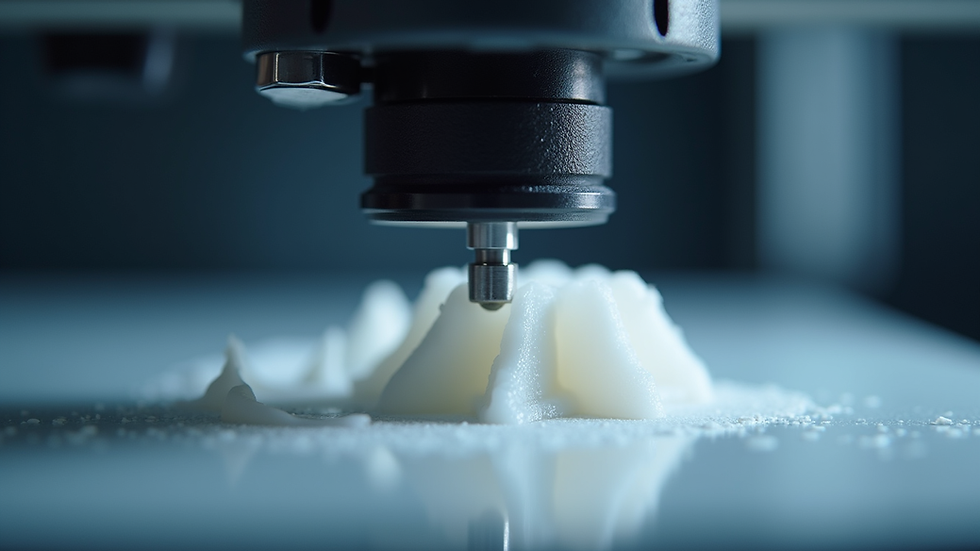
Why Custom Prototyping Techniques Matter for Your Projects
You might wonder, why invest so much effort into mastering these techniques? The answer is simple: custom prototyping techniques reduce risk and accelerate innovation. Here’s how:
Faster Iterations: Rapid prototyping lets you test and tweak designs quickly. Instead of waiting weeks for a part, you can have a prototype in days or even hours.
Cost Efficiency: Catching design flaws early saves you from expensive mistakes during mass production.
Better Communication: Physical prototypes help stakeholders visualize the product, making feedback more concrete and actionable.
Material Testing: Some techniques allow you to test prototypes in materials similar to the final product, ensuring performance meets expectations.
Customization: Tailored prototyping techniques let you create unique parts that off-the-shelf solutions can’t match.
For example, when working with the outlaw prototyping sisters, I’ve seen firsthand how combining 3D printing with CNC machining can produce prototypes that are both visually accurate and mechanically sound. This hybrid approach is often the best way to validate complex designs.
Which Company Makes the Best 3D Printers?
If you’re diving into 3D printing as part of your prototyping toolkit, you might ask: which company makes the best 3D printers? The answer depends on your specific needs, but here are some factors to consider:
Print Quality and Resolution: Look for printers that can deliver fine details if your prototypes require precision.
Material Compatibility: Some printers handle a wide range of materials, including flexible, durable, or high-temperature plastics.
Build Volume: Consider the size of the parts you want to print. Larger build volumes offer more flexibility.
Ease of Use: User-friendly interfaces and reliable software can save you time and frustration.
Support and Community: A strong support network and active user community can be invaluable for troubleshooting and learning.
While I won’t name specific brands here, I recommend researching printers that specialize in industrial or professional-grade machines if your prototypes demand high accuracy and durability. For hobbyists or early-stage inventors, desktop printers with good reviews can be a great starting point.

Practical Tips for Mastering Custom Prototyping Techniques
Mastering these techniques isn’t just about knowing what tools to use. It’s about integrating them smartly into your workflow. Here are some actionable tips:
Start with Clear Objectives: Define what you want to learn from your prototype. Is it form, fit, function, or all three? This guides your choice of technique.
Choose the Right Materials: Match your prototype materials to the final product’s requirements as closely as possible.
Iterate Quickly: Don’t wait for perfection on the first try. Use rapid prototyping to test ideas and improve.
Combine Techniques: Sometimes, a hybrid approach works best. For example, 3D print a complex housing and CNC machine the internal components.
Document Everything: Keep detailed records of your prototypes, including materials, settings, and feedback. This helps refine future iterations.
Leverage Local Expertise: Partnering with a local prototyping service can save time and provide valuable insights. For instance, Outlaw Prototyping in Central Oregon offers tailored services that help inventors and engineers bring their ideas to life efficiently.
By following these tips, you’ll not only improve your prototyping skills but also increase the chances of your product’s success.
Looking Ahead: The Future of Custom Prototyping Techniques
The world of prototyping is evolving fast. Emerging technologies like multi-material 3D printing, AI-driven design optimization, and digital twins are pushing the boundaries of what’s possible.
Imagine a future where you can simulate a prototype’s performance digitally before printing it, or where your prototype can be printed with embedded sensors to test real-time data. These innovations will make prototyping even more powerful and accessible.
For now, mastering the current innovative custom prototyping techniques gives you a solid foundation to innovate confidently. Whether you’re refining a single part or developing a full product line, these methods empower you to turn your ideas into tangible, testable realities.
If you want to explore more about how to bring your concepts to life with precision and speed, consider connecting with experts who specialize in custom prototyping. They can guide you through the process and help you avoid common pitfalls.
Mastering innovative custom prototyping techniques is not just about technology - it’s about mindset. Embrace experimentation, learn from each iteration, and keep pushing your ideas forward. Your next breakthrough could be just one prototype away.


Comments